
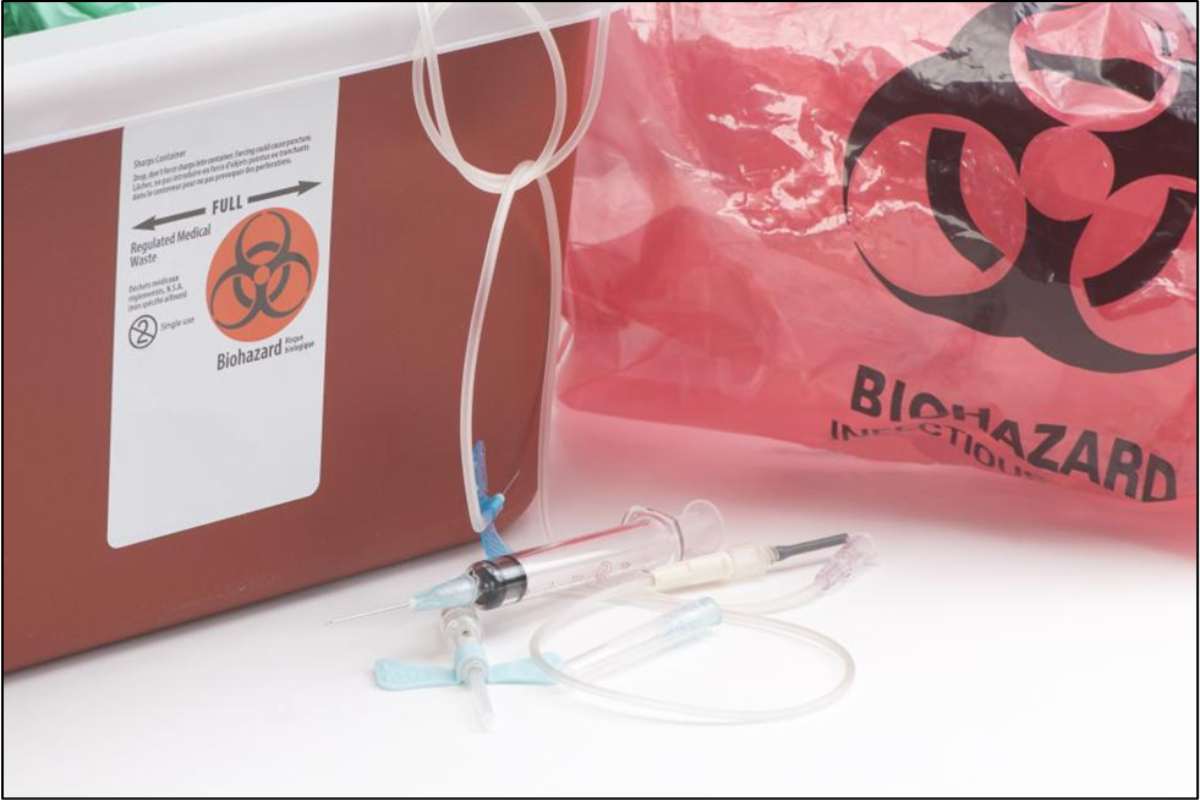
Proper waste management is essential for protecting both public health and the environment, especially when dealing with materials that pose potential risks. One of the most effective solutions for handling such materials is hazardous waste pickup, which ensures that dangerous substances are collected, transported, and disposed of using controlled and regulated processes. As industries, healthcare facilities, and even households generate increasing amounts of waste, the need for safe and compliant disposal methods has become more critical than ever. Without proper systems in place, hazardous materials can lead to contamination, legal penalties, and long-term environmental damage.
Table of Contents
What Qualifies as Hazardous Waste
Hazardous waste includes any material that can harm human health or the environment due to its chemical, biological, or physical properties. The hazardous waste pickup process typically involves collecting substances such as industrial chemicals, medical waste, cleaning agents, batteries, and laboratory materials that require specialized handling. These materials are often categorized based on characteristics like toxicity, flammability, reactivity, or corrosiveness, which determine how they should be stored, transported, and disposed of. Identifying hazardous waste correctly is the first step toward ensuring safe handling and preventing accidental exposure or environmental contamination.
How Hazardous Waste Pickup Works
The hazardous waste pickup process follows a structured system designed to ensure safety and compliance at every stage. It begins with proper segregation and packaging of waste materials, ensuring that incompatible substances are not mixed. Once prepared, trained professionals collect the waste using specialized equipment and transport it to authorized treatment or disposal facilities. Documentation and tracking are maintained throughout the process to ensure accountability and adherence to regulations. This organized approach not only reduces risks but also ensures that hazardous materials are handled responsibly from collection to final disposal.
Importance of Safe Disposal Practices
Safe disposal practices are essential in minimizing the risks associated with hazardous materials, and the hazardous waste pickup system plays a key role in achieving this goal. Improper disposal can lead to contamination of soil, water sources, and air, posing serious health risks to communities and ecosystems. By following regulated disposal methods, organizations can prevent accidental exposure, reduce environmental impact, and comply with legal requirements. Additionally, responsible waste management contributes to broader sustainability efforts by ensuring that harmful substances are treated or neutralized before being released into the environment.
Common Challenges in Waste Management
Managing hazardous waste effectively can be complex, particularly for organizations that handle large volumes or multiple types of waste. The hazardous waste pickup process often involves challenges such as maintaining proper segregation, staying updated with regulatory requirements, and ensuring staff are adequately trained in safe handling procedures. Cost management can also be a concern, as specialized disposal services require resources and planning. Overcoming these challenges requires a structured approach that includes clear protocols, regular training, and adherence to safety standards to ensure consistent and compliant waste management practices.
Importance of Safe Disposal Practices
Safe disposal practices are essential in minimizing the risks associated with dangerous materials and protecting both human health and the environment. Improper handling or disposal can lead to contamination of soil, water sources, and air, creating long-term ecological damage and serious public health concerns. Following regulated procedures helps prevent accidental exposure, ensures compliance with legal standards, and supports responsible waste management systems. Additionally, well-structured disposal methods contribute to sustainability efforts by ensuring that harmful substances are treated, contained, or neutralized before being released into the environment, reducing their overall impact.
Conclusion
Effective hazardous waste management is essential for ensuring safety, regulatory compliance, and environmental protection across industries and communities. By implementing structured disposal systems and understanding the importance of proper handling, organizations can significantly reduce risks associated with hazardous materials. A well-managed approach not only protects human health but also supports long-term sustainability efforts. Incorporating proper sharps waste disposal practices further strengthens safety measures, particularly when dealing with high-risk materials such as needles and other medical sharps, ensuring a comprehensive and responsible waste management strategy.