
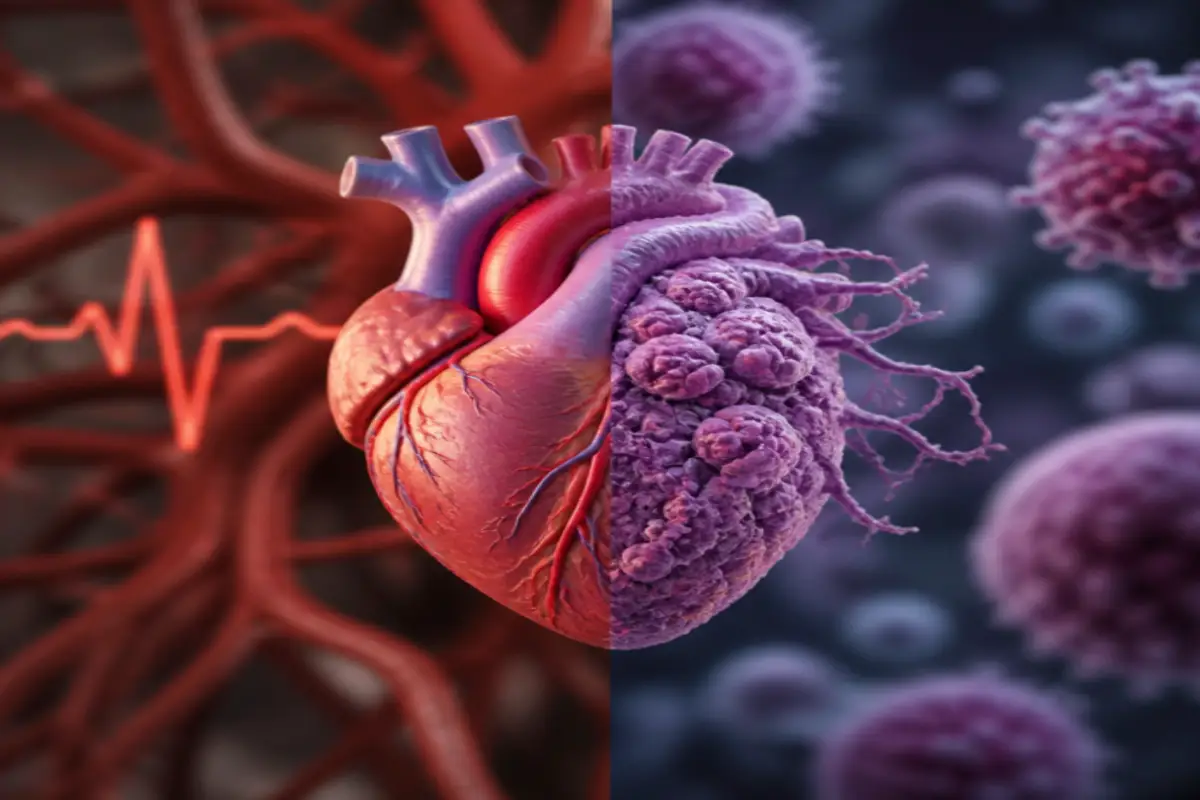
Women’s health encompasses far more than isolated conditions. Recent research reveals significant overlaps between cardiovascular events and cancer risk, particularly breast cancer, creating a complex web of health considerations that demands integrated screening and prevention strategies. For women navigating their health journeys, understanding these connections can inform better decisions about preventive care, screening schedules, and lifestyle modifications that protect against multiple conditions simultaneously.
Table of Contents
The Cardiovascular-Cancer Connection
The relationship between heart health and cancer is bidirectional and multifaceted. Shared risk factors including obesity, sedentary lifestyle, smoking, and chronic inflammation contribute to both cardiovascular disease and certain cancers. Women with a history of breast cancer face elevated cardiovascular risk, partly due to treatment effects but also because of underlying biological mechanisms that predispose individuals to both conditions.
Radiation therapy to the chest wall, commonly used in breast cancer treatment, can damage cardiac tissue and blood vessels over time. Certain chemotherapy agents, particularly anthracyclines and HER2-targeted therapies, carry known cardiotoxic effects. However, the connection extends beyond treatment side effects. Research indicates that women with traditional cardiovascular risk factors are also at increased risk for developing breast cancer, suggesting common biological pathways between these diseases.
Warning Signs That Require Immediate Attention
Recognizing cardiovascular warning signs is essential for all women, but particularly for those with cancer history or active treatment. Symptoms such as sudden weakness on one side of the body, difficulty speaking, vision changes, severe headache, or loss of coordination warrant immediate medical evaluation. These indicators may signal a stroke or transient ischemic attack, conditions that require rapid intervention to prevent permanent damage.
While major strokes cause obvious symptoms, transient ischemic attacks present a particularly challenging scenario because symptoms resolve quickly, often within minutes to hours. Despite their temporary nature, these episodes serve as critical warnings of underlying vascular compromise. Women experiencing brief episodes of weakness, numbness, confusion, or visual disturbances should seek comprehensive evaluation even after symptoms disappear. Specialized resources on tia stroke provide detailed information about recognition, risk factors, and the importance of prompt medical assessment to prevent future, potentially more severe events.
Integrated Screening Strategies
Given the interconnected nature of cardiovascular and cancer risks, women benefit from coordinated screening approaches that address multiple conditions. Standard breast cancer screening through mammography should begin at age 40 for average-risk women, with earlier initiation for those with family history or genetic predisposition. Three-dimensional mammography offers improved detection rates compared to traditional two-dimensional imaging, particularly in women with dense breast tissue.
Cardiovascular screening should parallel cancer screening efforts. Blood pressure monitoring, lipid panels, and assessment of diabetes risk provide baseline data for cardiovascular health. Women with elevated risk factors may benefit from additional cardiac imaging or stress testing. The key is viewing these screenings not as isolated procedures but as components of comprehensive health maintenance that recognizes the interplay between different disease processes.
Advanced Diagnostic Imaging Options
When standard screening suggests abnormalities, advanced imaging technologies provide detailed assessment. Breast MRI offers superior sensitivity for detecting small lesions and is recommended for high-risk women, including those with BRCA mutations or strong family histories. For cardiovascular assessment, CT angiography, carotid ultrasound, and cardiac MRI can identify vascular abnormalities before they cause symptomatic events.
Image-guided biopsy procedures allow precise tissue sampling when suspicious lesions are identified, reducing the need for surgical biopsy in many cases. These minimally invasive techniques use ultrasound, mammography, or MRI guidance to target specific areas, providing definitive diagnosis while minimizing recovery time and cosmetic impact.
Lifestyle Modifications That Address Multiple Risks
Certain lifestyle changes simultaneously reduce cardiovascular and cancer risk. Regular physical activity, maintaining healthy body weight, and consuming a diet rich in vegetables, fruits, whole grains, and lean proteins benefit both systems. Exercise improves cardiovascular function, helps regulate hormones linked to breast cancer risk, and reduces chronic inflammation that contributes to both conditions.
Alcohol consumption requires particular attention, as even moderate intake increases breast cancer risk while also affecting cardiovascular health. Smoking cessation remains one of the most impactful interventions, dramatically reducing risk across multiple disease categories. Sleep quality, stress management, and chronic condition control also play significant roles in overall health maintenance.
The Role of Preventive Health Testing
Comprehensive preventive health testing extends beyond imaging to include laboratory assessments that identify risk factors and early disease markers. Regular blood work monitoring cholesterol levels, blood sugar, inflammatory markers, and hormone status provides valuable data for risk stratification. Genetic testing identifies hereditary predispositions to certain cancers and can inform personalized screening protocols.
For women with family histories of breast, ovarian, or other cancers, genetic counseling and testing for BRCA1, BRCA2, and other mutations guides decisions about enhanced surveillance or risk-reducing interventions. Similarly, understanding familial cardiovascular disease patterns helps determine appropriate screening intensity and timing. Accessible diagnostic testing services make these assessments more convenient for women managing busy schedules while prioritizing their health.
Treatment Considerations and Long-Term Monitoring
When cancer diagnosis occurs, treatment planning should incorporate cardiovascular risk assessment. Baseline cardiac function testing before chemotherapy helps identify pre-existing conditions and provides comparison points for monitoring treatment effects. Some patients may require cardioprotective medications during cancer treatment to minimize heart damage from necessary therapies.
Long-term survivorship care must address both cancer recurrence risk and treatment-related health effects. Women who received chest radiation require ongoing cardiac monitoring for years after treatment completion. Those who experienced cardiovascular events during or after cancer treatment need coordinated care between oncology and cardiology specialists to manage both conditions effectively.
Building a Comprehensive Health Strategy
Optimal women’s health requires viewing the body as an integrated system rather than a collection of separate organs. Screening schedules should be personalized based on individual risk factors, family history, and prior health events. Women should maintain open communication with healthcare providers about new symptoms, risk factor changes, and concerns about their health status.
Keeping detailed personal health records, including screening results, diagnostic imaging reports, and family health histories, facilitates informed decision-making and ensures continuity when seeing multiple specialists. Regular primary care visits serve as the foundation for coordinating specialized screening and treatment across different medical disciplines.
The intersection of cardiovascular health and cancer risk underscores the importance of holistic approaches to women’s health. By recognizing these connections and implementing comprehensive screening and prevention strategies, women can take proactive steps to protect their health across multiple dimensions simultaneously. Early detection through appropriate screening, attention to warning signs, and lifestyle modifications that address shared risk factors create the strongest foundation for long-term health and wellbeing.