
Key Takeaways
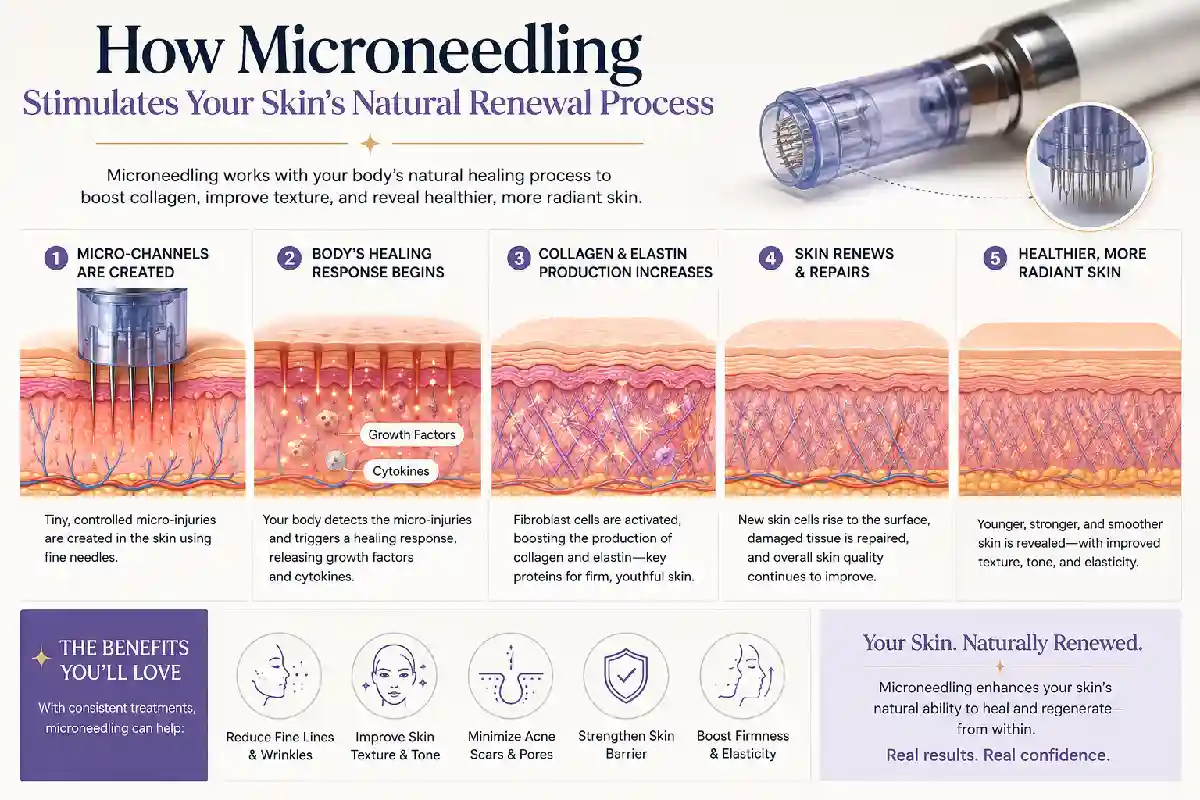
- Microneedling uses fine needles to create controlled microchannels in the skin.
- The treatment is designed to activate the skin’s natural repair and collagen-remodeling processes.
- Improvements in texture, fine lines, and certain scars develop gradually.
- Professional treatment, careful screening, and thoughtful aftercare all matter.
- At-home tools and radiofrequency microneedling have different considerations and risks.
Microneedling is often called collagen induction therapy because it uses controlled, tiny needle punctures to stimulate the skin’s natural repair response. A professional microneedling treatment is not intended to cause unnecessary injury to the skin. Instead, it is designed to create a measured stimulus that may support smoother-looking texture and gradual structural renewal.
People may consider microneedling for concerns such as mild acne scarring, uneven texture, enlarged-looking pores, fine lines, stretch marks, or dullness. Results vary based on the concern being treated, skin tone, sun exposure, age, healing ability, and the treatment plan. It is best viewed as a gradual process rather than an instant cosmetic fix.
Table of Contents
What Microneedling Does to the Skin
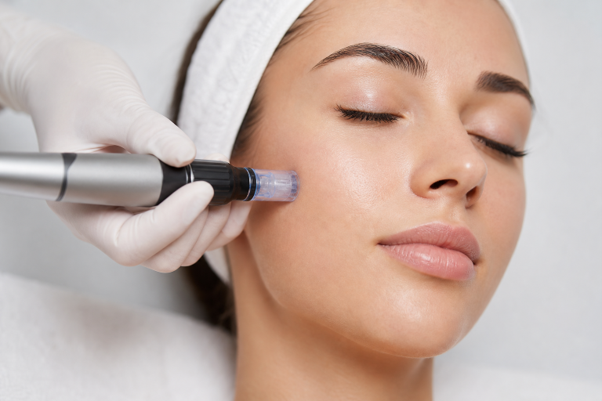
During treatment, a device with very fine needles passes over selected areas of the face or body. The needles create tiny channels in the outer skin layers, signaling the body to begin repair. This response can increase fibroblast activity, which involves the production of collagen and other structural components of the skin.
Microneedling does not inject collagen into the skin. Rather, it may encourage the skin to build and reorganize more of its own support over time. That distinction helps explain why a temporary post-treatment glow is different from the longer-term changes that may occur as collagen remodels.
The Three Stages of Skin Repair
The renewal process after microneedling generally follows the same broad stages the body uses to respond to other controlled skin injuries.
- Inflammation: The skin recognizes the microchannels and sends repair signals to the area. Mild redness, warmth, tightness, or sensitivity can occur during this early stage.
- New tissue formation: Fibroblast activity increases, supporting the formation of collagen and related structural proteins.
- Remodeling: Over the following weeks and months, newly formed collagen reorganizes. This may help the skin look firmer, smoother, and more even.
Visible redness is not a measure of success. More aggressive treatment is not always better, and excessive irritation can work against a healthy recovery. Needle depth, treatment intensity, and the number of passes should be individualized to the person’s skin and goals.
Why Collagen Matters for Texture
Collagen is a protein that provides structure and support within the skin. Natural aging, ultraviolet exposure, inflammation, and some forms of scarring can affect collagen quality and production. As that support changes, skin may develop a rougher surface, fine lines, or areas that look less firm.
For depressed acne scars and textural issues, collagen remodeling can help reduce the visibility of scars by softening the contrast with surrounding skin. Microneedling is often more effective for some rolling or shallow boxcar scars, while deep ice-pick scars or raised scars might need alternative treatments or combined therapies.
Concerns Microneedling May Address
- Acne scars: Remodeling may improve the appearance of some depressed scars.
- Fine lines: Gradual collagen changes may create a smoother-looking surface.
- Uneven texture: Treatment can support a more refined appearance over time.
- Enlarged-looking pores: Improved surrounding skin structure may make pores less noticeable.
- Stretch marks: Some plans target changes in texture and tone.
- Dullness: As the skin recovers, the surface may appear brighter and more refreshed.
Traditional Microneedling vs. RF Microneedling
Traditional microneedling relies on mechanical stimulation from the needles. Radiofrequency, or RF, microneedling combines needles with heat energy delivered beneath the skin. It may be considered when deeper remodeling or skin-tightening goals are part of the plan, but it is a distinct treatment with its own risk profile.
Patients considering this option should understand that serious complications have been reported with certain aesthetic uses of RF microneedling devices, including burns, scarring, fat loss, and nerve damage. A thorough discussion of benefits, alternatives, provider experience, and device selection is essential.
What to Expect at a Professional Appointment
- Consultation: The provider reviews skin concerns, health history, medications, prior reactions, and expectations.
- Preparation: Skin is cleansed, and topical numbing medication may be used when appropriate.
- Treatment: The provider adjusts the device approach for different areas and concerns.
- Soothing care: Gentle post-treatment products may be applied to support comfort and the skin barrier.
- Aftercare: The patient receives guidance about cleansing, sun exposure, makeup, exercise, and skincare ingredients.
Recovery and Aftercare
Redness and warmth are often most noticeable on the first day. Mild dryness, sensitivity, or light flaking may occur over the next several days. Texture changes can begin to appear in the following weeks, while collagen remodeling may continue for months. A series of treatments may be recommended for scarring, but the schedule should allow adequate recovery.
- Use a gentle cleanser and simple moisturizer.
- Protect treated skin from direct sun and follow sunscreen instructions.
- Pause retinoids, exfoliating acids, and other strong products as directed.
- Avoid picking, rubbing, swimming, saunas, intense exercise, or makeup until advised otherwise.
- Keep the routine simple while the skin is sensitive.
Professional Treatment vs. At-Home Tools
Professional care ensures sterile technique, tailored needle depth, proper screening, and a plan for managing unexpected irritation. In contrast, home rollers or pens can apply uneven pressure and may heighten the risk of infection if used improperly. Microneedling devices also carry side effects such as redness, peeling, infection, and changes in pigmentation.
Who May Need to Wait or Avoid Treatment?
A qualified provider should evaluate anyone with active acne, open wounds, skin infection, recent sunburn, significant irritation, a history of poor wound healing or raised scars, bleeding concerns, use of blood-thinning medication, immune-related conditions, or allergies to treatment products. A consultation helps determine whether microneedling is appropriate now, later, or not at all.
Conclusion
Microneedling works by giving skin a controlled signal to begin its natural repair process. Its potential benefits come from gradual collagen remodeling, not a quick surface-level change. With appropriate screening, sterile treatment, realistic expectations, and careful aftercare, it can be a thoughtful option for people seeking to improve selected texture and scar concerns.